
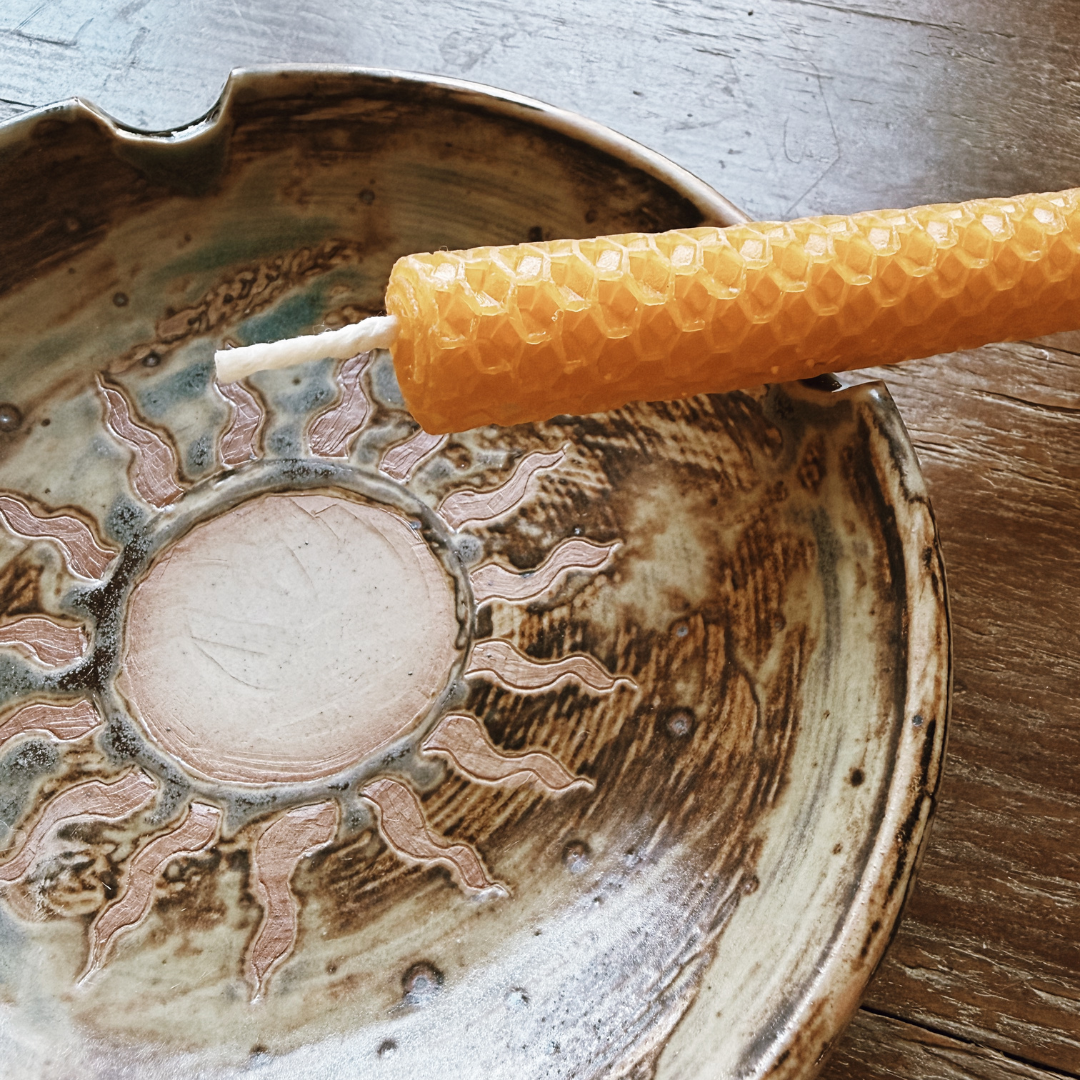
Umbilical cord burning is a gentle, intentional alternative to cutting the umbilical cord after birth.
Umbilical cord burning is a gentle, intentional alternative to cutting the umbilical cord after birth. For some families, it offers a slower, more considered transition — one that honours the moment of separation between baby and placenta with care and presence.
While still relatively uncommon, cord burning has been practised across cultures for generations and is becoming more widely discussed as families seek birth experiences that feel aligned with their values.
A Brief History of Umbilical Cord Burning
Cord burning is believed to have origins in parts of Asia, Eastern Europe, and among some Indigenous cultures, where flame was traditionally used as a natural, sterile tool. Long before surgical instruments were common, heat was recognised for its ability to cauterise and reduce bleeding.
Historically, the practice was not ritualised in the modern sense — it was practical, deliberate, and often performed by experienced birth attendants. Over time, cord cutting with metal instruments became standard in hospital settings, and cord burning largely disappeared from mainstream birth practices.
In recent years, cord burning has re-emerged as families revisit traditional approaches and seek alternatives that feel slower, quieter, and more embodied.
Why Some Families Choose Cord Burning
Families choose cord burning for many different reasons. For some, it’s about symbolism. For others, it’s about physiology, safety, or simply preference.
Common reasons include:
- A desire for a slower, more intentional separation
- Wanting both parents or support people to be involved
- Avoiding sharp instruments near a newborn
- Marking the transition from womb to world in a meaningful way
- Aligning with cultural or personal values
There is no “right” reason — and cord burning is not for everyone. Like all birth choices, it’s simply one option among many.
Is Umbilical Cord Burning Safe?
When performed correctly, cord burning is considered safe for healthy, full-term babies. The heat cauterises the cord as it separates, which can reduce bleeding. It should always be done calmly, with preparation, and ideally with the guidance or support of a qualified midwife or birth professional.
Cord burning is not recommended in emergency situations or where immediate medical intervention is required.
As with any birth practice, families should discuss their plans with their care provider ahead of time.
How Umbilical Cord Burning Is Performed
While practices vary slightly, the process generally follows these steps:
- Wait for the cord to stop pulsing: Cord burning is usually done after the placenta has been born and the cord has finished pulsing.
- Position the cord: The cord is gently laid across a heat-safe bowl designed to catch wax and ash. Some families choose to place a protective guard (such as cardboard) between the cord and baby.
- Light the candles: Two beeswax candles are lit and brought slowly toward the cord from either side.
- Allow the cord to burn through: The cord separates gradually as the heat cauterises it. This process is unhurried and often very quiet.
- Secure the cord stump (if desired): After separation, families may choose to secure the remaining cord stump with a cotton tie or tie it gently in a knot. Others rely on the natural cauterisation and do not secure it further.
- Care for the cord stump: Families then follow their chosen cord care practices as the stump dries and falls away naturally over the following days.
Many families describe the moment as calm, grounding, and surprisingly peaceful.
What You Need for Cord Burning
Preparing in advance helps the experience feel steady and supported. Most families choose to have:
- A heat-safe bowl to catch wax and ash
- Two beeswax candles
- A cotton cord tie
- A protective guard (often cardboard and aluminium foil)
- Cord care supplies for the days following birth
Having everything ready before labour begins allows families to remain present rather than scrambling for supplies.
For those looking for a complete option, Earthside Australia offers a thoughtfully curated cord burning bowl kit that includes all of the above, designed with function, safety, and intention in mind.
👉 You can explore the cord burning bowl kits here:
cord burning kits
After Cord Burning: Caring for the Cord Stump
After separation, the remaining cord stump is cared for much like it would be after cutting. Families may choose to keep the area clean and dry, or use gentle, traditional cord care methods as advised by their care provider.
The stump typically dries and falls away within a week or two.
A Personal Choice, Held With Care
Umbilical cord burning is not about doing birth “better” or differently for the sake of it. It’s simply one option — one that some families find meaningful, grounding, and aligned with how they wish to welcome their baby Earthside.
As with all birth choices, the most important thing is that families feel informed, supported, and free to choose what feels right for them.
Further Reading & Resources
If you’re considering cord burning, speaking with your midwife or birth professional is the best place to start. They can help you decide whether this practice is suitable for your birth setting and circumstances.